

“You don’t have to be a genius to work in tech. You just have to be curious.”
That was one of the messages shared by Rakhi Sachdeva, AI Workforce Strategy Lead at Microsoft, during her opening keynote at this year’s Next Tech Fest - and it really resonated with me.
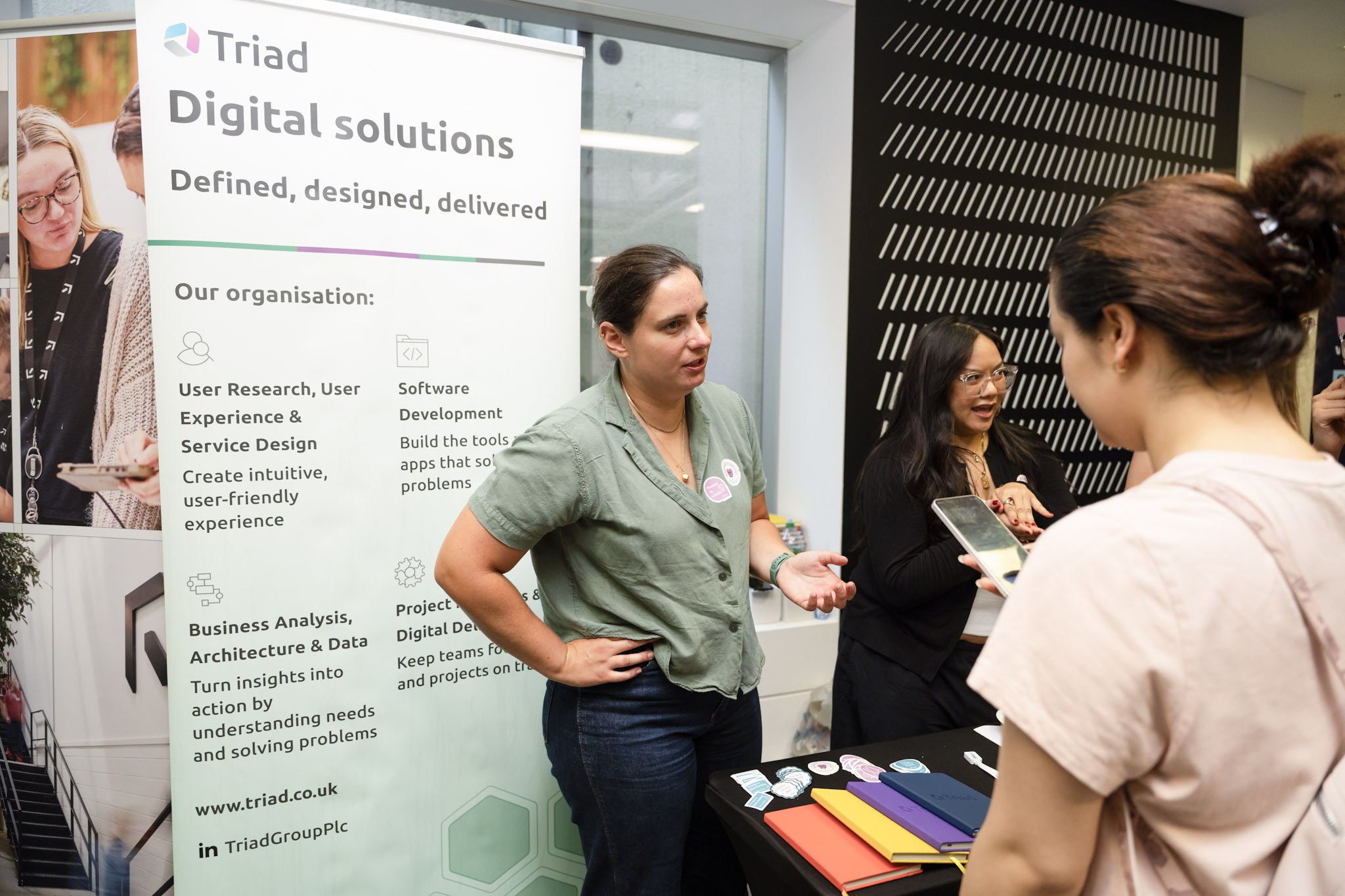
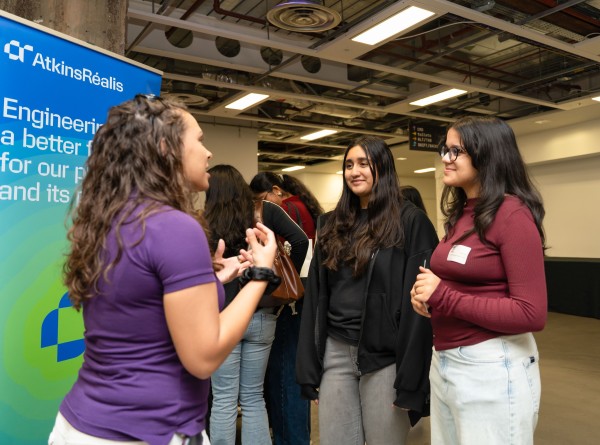
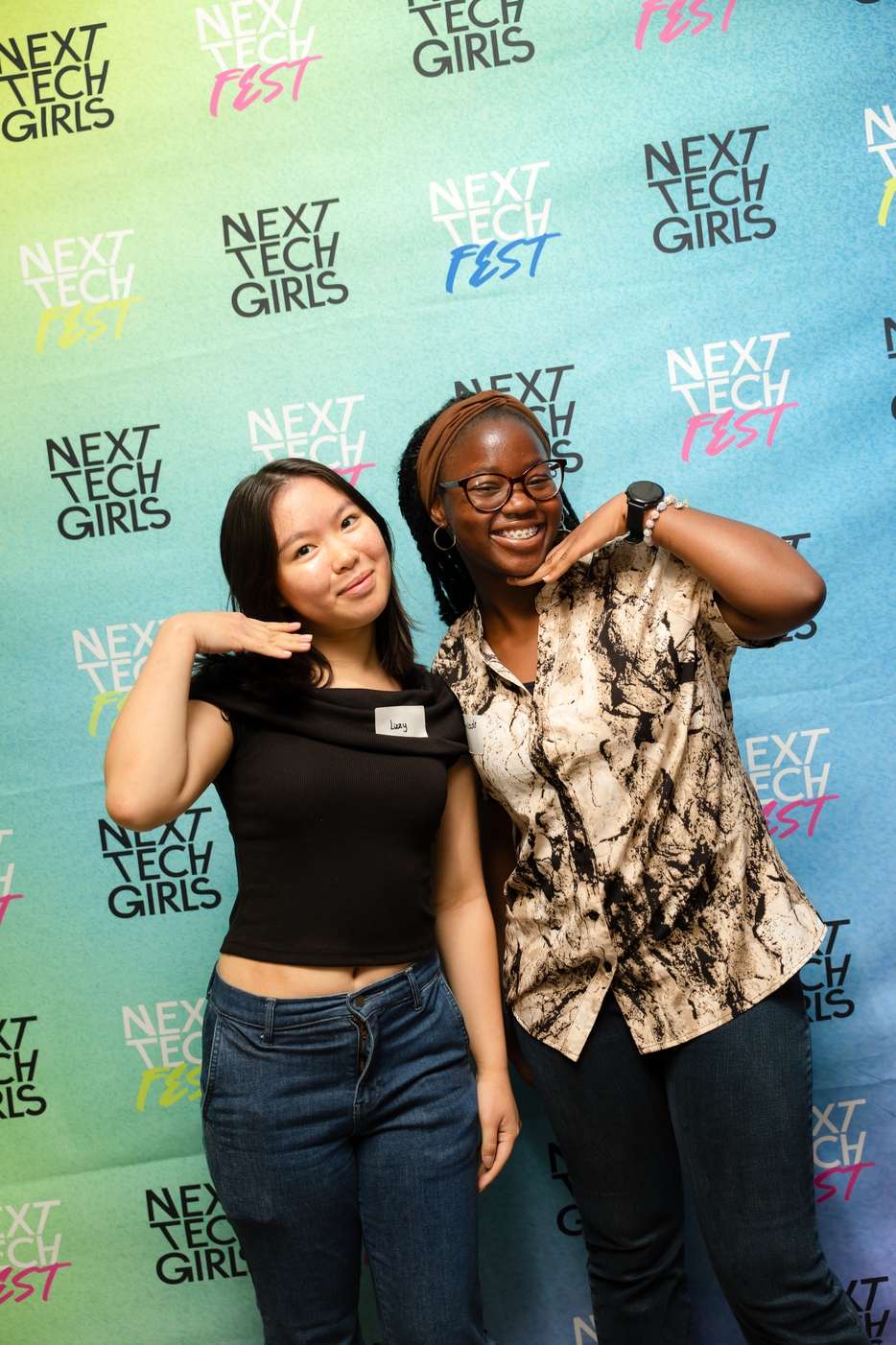
Triad has sponsored Next Tech Fest for three years running, but this was my first time attending. In addition to working at our stand, I helped run a workshop designed to give attendees a taste of tech roles.
Hundreds of young women took part in the festival, and one thing stood out above everything else: they were incredibly curious.
That's a great thing, because curiosity is a valuable skill in technology, particularly in fields like UX and service design.
WHAT ARE UX AND SERVICE DESIGN?
Have you ever wondered why some apps are easy to use while others feel frustrating? User Experience (UX) and service design focus on creating products and services that work well for the people who use them.
UX designers focus on digital experiences, making apps, websites and online tools simple, accessible and enjoyable. Service designers look at the bigger picture, considering every step of a person's journey and how different teams, systems and technology work together.
Think about booking cinema tickets online. A UX designer might improve the process of choosing seats and paying for tickets, while a service designer would consider the entire experience, including emails, customer support and what happens when plans change. Together, they help create experiences that save time, reduce frustration and make life a little easier.
WHY CURIOSITY IS A TECH SKILL
We often talk about the technical skills needed to work in technology. But curiosity is just as valuable.
During her Next Tech Fest keynote, Rakhi described curiosity as one of five essential soft skills in tech, alongside communication, collaboration, critical thinking and creativity.
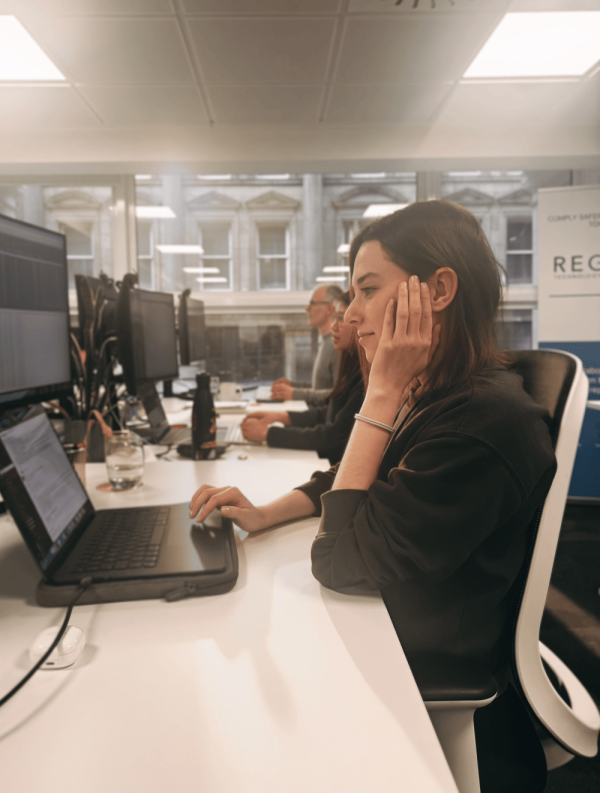
In my experience, curiosity drives better design. As consultants, we question clients about their requirements, ask users about their experiences and observe how they interact with products and services.
We keep asking: Why?
And then we ask it again.
LOOKING BEYOND THE OBVIOUS
Curiosity is particularly important in service design, , where we need to look beyond individual products and understand the bigger picture.
A famous example is GE Healthcare’s redesign of an MRI experience for children.
The MRI technology itself worked perfectly, but the experience was frightening for young children, and many of them needed sedation to get through their scans. By looking beyond the machine and understanding the human experience, designers transformed the MRI environment into a “pirate ship adventure,” where staying still became part of a game.
The result was a dramatic reduction in sedation. It all started with being curious enough to look beyond the obvious.
WHAT DOES CURIOSITY LOOK LIKE IN A REAL TECH JOB?
Good user-centred design (UCD) means understanding what people really need, rather than simply validating what we already believe.
I've seen this first-hand. During a discovery project, I used contextual research (also known as ethnographic research) to observe how people interacted with products in their everyday lives.
I often found that what people said they did didn't match what they actually did.
For example, we were researching a product that needed to be mixed for a specific amount of time. During interviews, users said they followed the instructions, but when we observed them, we discovered they were mixing it for less than half the required time.
This led us to explore ways to help users know when they'd mixed the product for long enough, ensuring more consistent results. Those observations revealed insights that wouldn't have emerged from simply asking people what they wanted.
For me, that's what curiosity means as a designer: not being satisfied with the first answer and being willing to investigate until you understand what's really driving someone's behaviour.
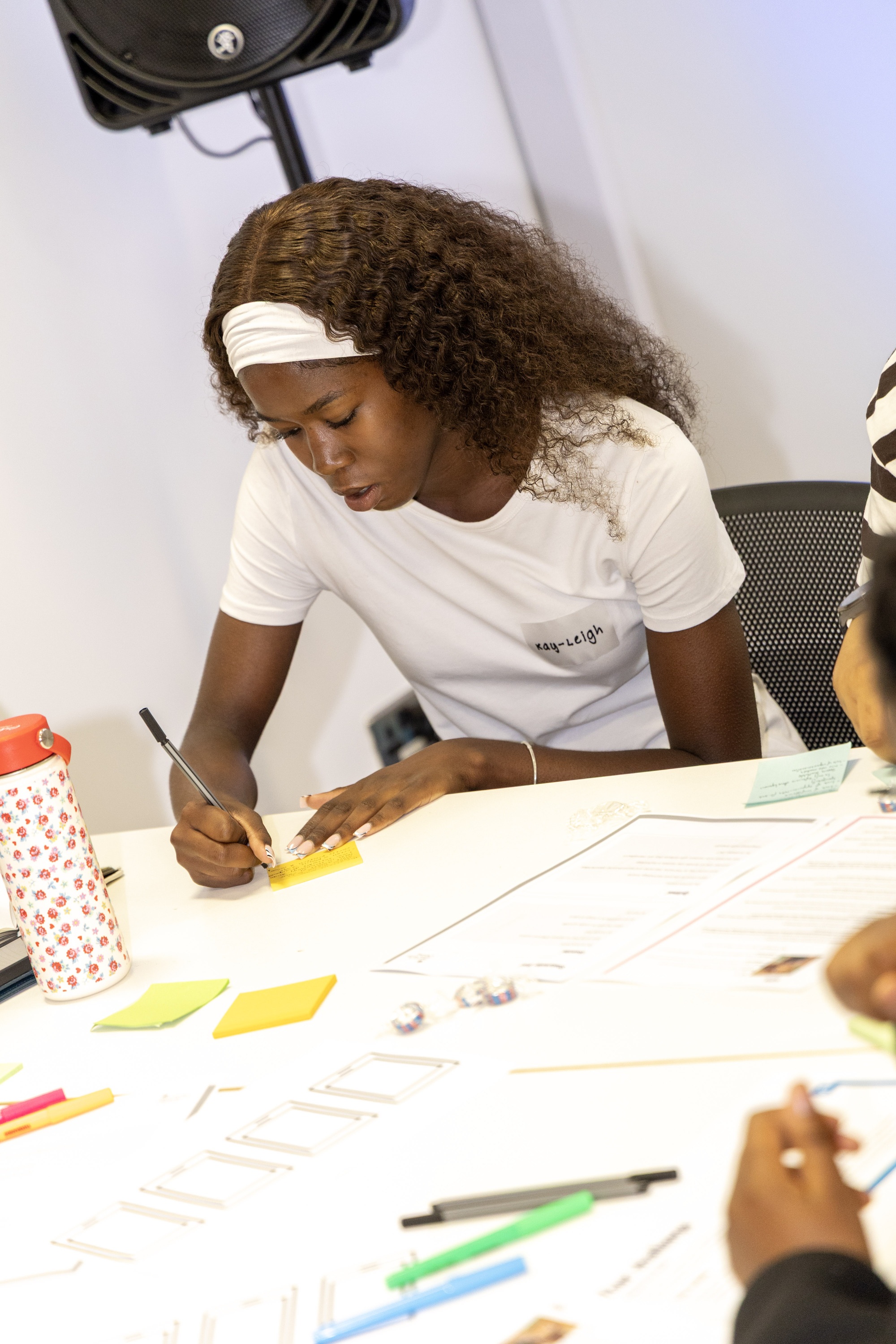
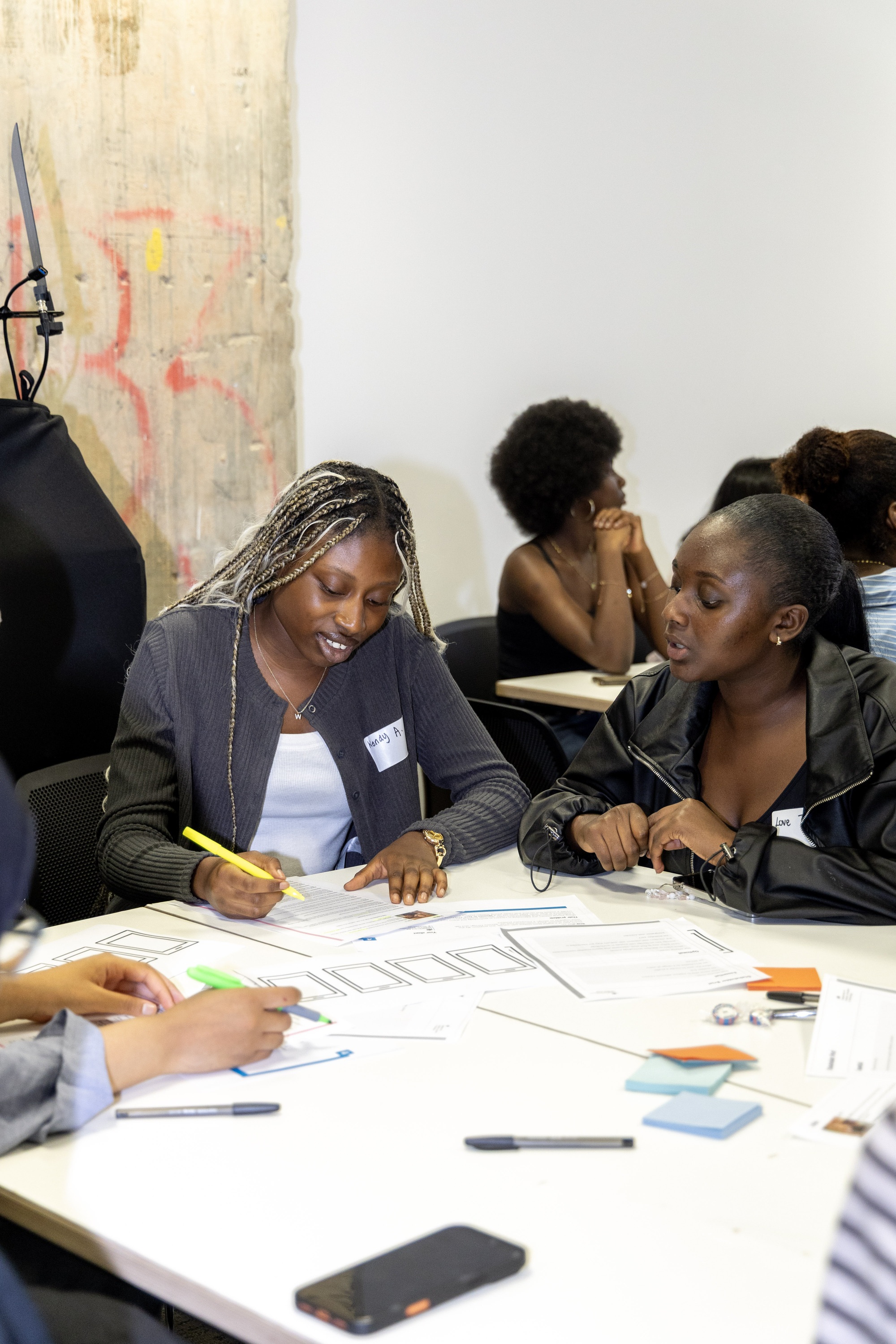
At our Next Tech Fest workshop, I saw this curiosity in action.
As young women tackled our tasks, they questioned assumptions, explored user needs and considered challenges around accessibility and technology. They discovered that they didn't need to have all the answers – they just needed to be willing to ask questions.
COULD A CAREER IN UX OR SERVICE DESIGN BE RIGHT FOR YOU?
One question that came up frequently at Next Tech Fest was: what’s the difference between service design and UX design?
If you enjoy looking at the bigger picture and understanding how different people, teams and systems work together, service design could be a great fit. If you love understanding how people interact with technology and finding ways to make digital experiences easier, more accessible and enjoyable, UX design might appeal to you.
Both UX and service design involve:
- An interest in understanding people: What do they need? What frustrates them? What would make their lives easier?
- A passion for improving things: Even small changes can make a big difference to someone's experience.
- Creativity and problem-solving: Coming up with ideas and working with others to bring them to life.
HOW CAN YOU GET STARTED?
There are lots of ways to explore a career in UX or service design. Relevant university subjects include UX design, product design, psychology and graphic communication, but a degree isn't the only route. Apprenticeships, online courses, personal projects and building a portfolio of your work can also help you develop useful skills and experience.
Try this simple exercise: Think of an app or service that might frustrate you – a common one is booking a doctor's appointment - and take the time to think about how you might design a better service. Who could you talk with to learn more? What other experiences work well that you could learn from? And what processes could improve it?
You can also explore beginner-friendly UX courses on platforms such as FutureLearn, Udemy and Coursera, as well as free articles and videos from the Nielsen Norman Group. If you want to try designing something yourself, Figma has a free plan that lets you experiment with creating app and website designs.
STAY CURIOUS
Curiosity isn't just a useful skill for technology. It's a mindset that helps us understand people, challenge assumptions and discover possibilities we might otherwise miss.
So, if you're interested in technology but aren't sure where you might fit in, remember that you don't need to have all the answers.
Sometimes, asking the right questions is the best place to start.
Ready to explore what's possible?
Discover events, work experience opportunities and career inspiration with Next Tech Girls.